A professional roofing debris removal service steps in when roofing waste piles up, safety slips, or rules feel confusing. They load and haul shingles, nails, and scrap, protect your yard or lot, and handle legal disposal. This lets Lynn property owners and roofers focus on getting the roof done right and on time.
On many roofing jobs in Lynn, the work goes fine until the trash starts to stack up. Shingles build up by the driveway, nails land in the lawn, and everyone is worn out at the end of the day. Cleanup gets pushed off, and soon it feels like it will never be done. That is when a dedicated debris crew can turn the job around.
Table of Contents
- What does a professional roofing debris removal service actually do?
- What are the risks of leaving roofing debris on your property?
- Sign 1–2: Is roofing debris piling up faster than you can manage?
- Sign 3–4: Is roofing debris creating safety hazards on your site?
- Sign 5–6: Is roofing debris causing project delays or neighbor complaints?
- Sign 7–8: Is roofing debris raising environmental or compliance concerns?
- How do you choose the right professional roofing debris removal service?
- Frequently Asked Questions
What does a professional roofing debris removal service actually do?
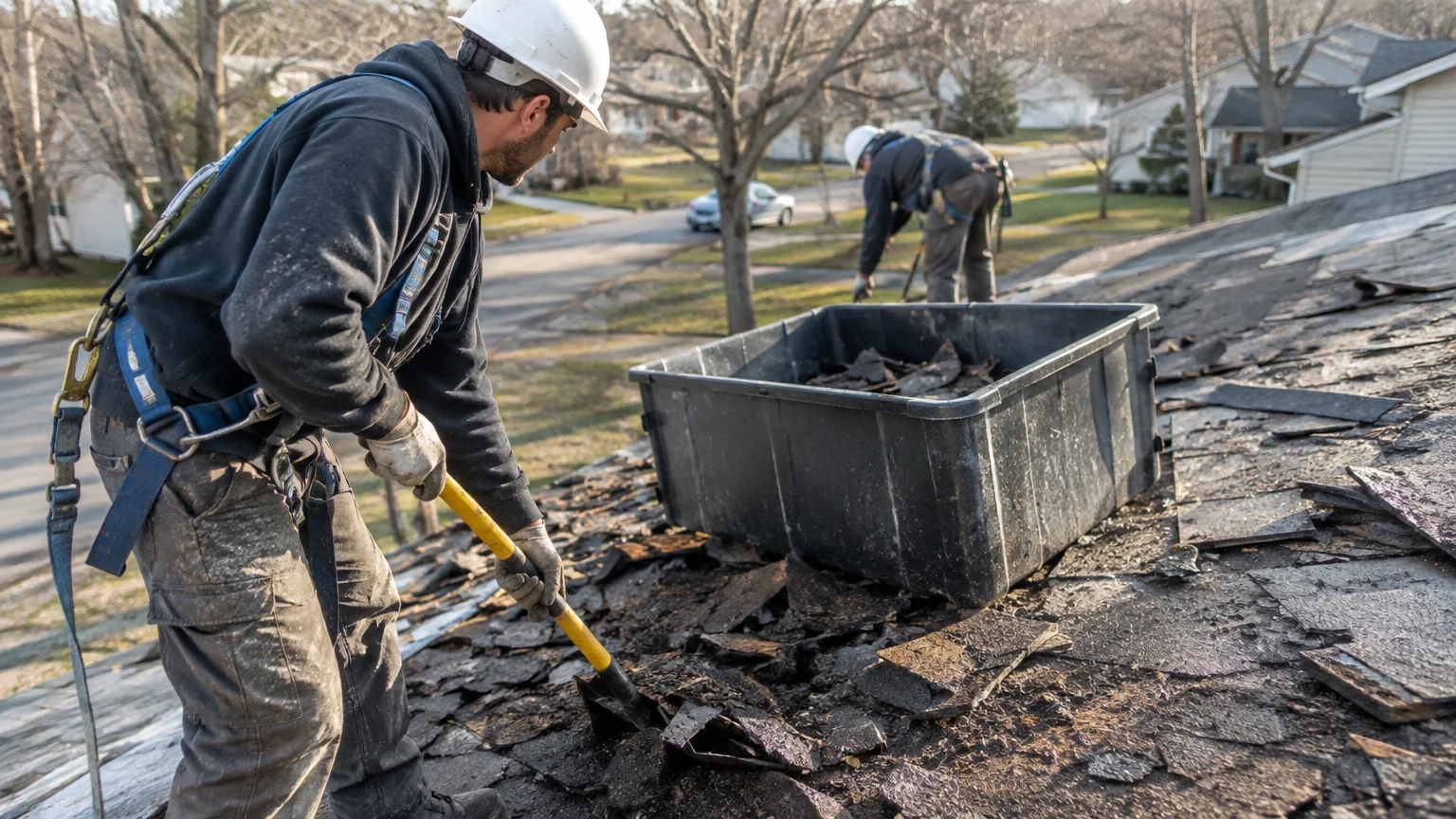
A professional crew takes care of roofing debris from the moment it leaves the roof until it is off your property. They plan where waste will land, set up safe work zones, and keep the area tidy as the work goes on, not just with one big cleanup at the end.
Key tasks a roofing debris crew handles for you
A debris team sets up drop zones, tarps, or bins before tear-off starts. This helps keep shingles, nails, and felt from spreading across your yard or parking lot. They load torn-off roofing into trucks or dumpsters, then sweep, rake, and use magnets to pull nails from the ground.
They also sort debris when that makes sense. For example, they may pull out metal drip edges, gutters, and flashing and keep them separate from asphalt shingles or underlayment. This can send more material to metal recycling instead of the landfill. For busy contractors, this means less time thinking about what goes where.
Many crews also remove related junk. Old vents, rotten fascia boards, and scrap wood from repairs often sit in the same piles as roofing waste. A well-organized junk removal team can haul these items away in the same trip. This is handy on rentals, small businesses, and mixed-use buildings in the Lynn area.
Common types of roofing materials they safely remove
Roofing debris is more than old shingles. A skilled crew can remove:
- Asphalt shingles and shingle bundles from tear-off or extra material
- Underlayment and felt that no longer meet code or were damaged
- Drip edge, metal flashing, and vents pulled during repair work
- Nails, staples, and fasteners scattered in grass, beds, and driveways
- Wood scraps, rotten decking, and trim that come down during the job
By handling all of this, a professional roofing debris removal service helps roofing contractors, property owners, and managers spend their time on the roof itself.
What are the risks of leaving roofing debris on your property?
Leftover roofing debris may look like a small mess at first, but it can cause real trouble over time. Piles of shingles, loose nails, and torn felt can hurt people, damage cars, and even lead to legal problems if someone gets injured.
Injury, property damage, and liability concerns
Loose nails are one of the biggest risks after a roofing job. They can punch holes in tires, hurt pets, or cut anyone who walks across the yard. Even a few nails in a driveway can lead to flat tires for residents, guests, or delivery trucks.
Sharp edges on torn shingles or metal flashing can cut skin and paws. Wet shingles on pavement can be slick and cause falls. If a visitor, tenant, or worker gets hurt, the property owner or contractor may face claims, arguments, or insurance issues.
In some areas, leaving construction debris in open piles can break code or HOA rules. Local rules may say how roofing debris should be contained and when it must be removed, so it helps to check with the right local office. A professional roofing debris removal service understands these rules and helps you avoid fines and complaints.
How leftover roofing materials can harm landscaping and structures
Roofing waste can also damage the property itself. Heavy shingle piles can crush grass and plants and leave bare spots that take time to grow back. Felt, plastic wrap, and underlayment can block water and create puddles in lawns or beds.
If debris washes into storm drains, it may clog grates and leave standing water on driveways or walkways. Nails and sharp scraps caught in mower blades can damage equipment and throw metal pieces across the yard.
Over time, piles stacked near siding, fences, or decks can trap moisture. This can lead to stains, rot, or more pest activity. For busy owners in Lynn and the main Lynn area — from Diamond District and Wyoma to Swampscott, Saugus, Nahant, Revere, and nearby neighborhoods — hiring a crew to clear debris fast is often the safest choice.
Sign 1–2: Is roofing debris piling up faster than you can manage?
When roofing debris grows faster than anyone can clean it, it is a clear sign you need more help. A crowded job site slows everyone down and makes the whole project feel out of control.
Sign 1: You have overflowing piles of shingles, nails, and scraps
On many projects, old shingles and underlayment come off faster than anyone can haul them away. Soon, there are piles near the garage, stacks along the driveway, and loose scraps in the yard. Tarps that once held everything start to spill over.
When this happens, basic cleanup at the end of each day is not enough. Workers are tired, daylight is short, and debris gets pushed to “tomorrow.” After several days, the site looks worse, not better. This can upset owners, tenants, and neighbors in Lynn.
A professional roofing debris removal service brings enough hands, trucks, and bins to stay ahead of the mess. They clear full piles while the roofing crew keeps working. For Lynn Massachusetts Junk Removal and other local teams that handle construction debris, staying ahead of waste is a core part of the job.
Sign 2: Your crew is losing work time trying to keep the site clear
Roofers are hired to install and repair roofs, not spend hours hauling shingles. When workers spend big chunks of each day dragging bundles, loading trash, and hunting for nails, the main job slows down.
This lost time can turn into extra days on site, more hassle for everyone, and a rushed final cleanup. In some cases, tired crews may miss small hazards like nails in the grass or scraps near doors.
Bringing in a junk removal team lets roofers focus on skilled work while debris experts handle the rest. For busy contractors in Lynn, this often means jobs finish sooner, punch lists shrink, and final walkthroughs feel more relaxed.
Sign 3–4: Is roofing debris creating safety hazards on your site?
Safety is one of the strongest reasons to call in a debris crew. Roofing waste on the ground can make it hard to walk, drive, or move ladders and tools in a safe way.
Sign 3: Walkways, driveways, and entrances are blocked or slippery
When torn shingles land in common paths, people must step around them or walk right through them. Wet or dusty shingles can be slick underfoot. In apartments, offices, or busy homes, this is a major concern.
Driveways and parking areas full of debris also cause problems. Delivery drivers, tenants, and guests may have trouble parking or getting close to doors. This leads to anger and more time spent moving trash just to let someone in or out.
Professional crews plan clear paths around the building. They place collection points where trucks can reach them without blocking exits. They also keep main walkways swept and raked so people can enter and leave safely during the whole project.
Sign 4: You keep finding nails, sharp edges, and hidden trip hazards
Nails and fasteners tend to roll and bounce as they fall. They can land in gravel, grass, flower beds, and small cracks in concrete. Even after a quick sweep, they often turn up later when a tire hits them or a child plays outside.
Scraps of shingle, metal, and wood can catch toes or tools. Small piles near ladders, hoses, or cords create trip hazards that are easy to miss in a rush. At night, these risks get worse when you cannot see well.
A roofing debris removal team usually brings magnetic sweepers, rakes, and brooms made for this kind of work. They check busy areas many times during the job, not just once at the end. For property owners who care about safety, this steady care matters a lot.
Sign 5–6: Is roofing debris causing project delays or neighbor complaints?
When debris slows the work or upsets people nearby, it stops being a simple mess and becomes a real problem. This is often when owners and contractors start to look for a dedicated debris plan.
Sign 5: Your project timeline slips because cleanup is always behind
A clean site helps roofers move faster. They can bring in materials, set ladders, and move tools without dodging piles. When debris blocks access, simple tasks take longer. Crews must clear space before they can work.
If cleanup keeps getting pushed to the end of the day, it can feel rushed or may not happen at all. Then the next morning starts with a messy site again. This pattern causes delays, stress, and more long days.
A professional roofing debris removal service works on a schedule that fits the project. They can clear key areas at set times during the day, or haul full loads as they fill up. This steady flow keeps work moving and helps projects finish closer to plan.
Sign 6: Neighbors or tenants are frustrated by mess, dust, and noise
Roof work is noisy and dusty even when things go well. When debris sits in plain view, neighbors often feel the job is out of control. They may worry about nails in the street, dust on cars, or trash blowing into their yards.
Tenants in rentals or multi-unit buildings can also grow upset if paths are blocked or common spaces look messy for days. They may complain to managers or owners, which adds more stress and pressure.
A neat, organized site sends a better message. Junk removal crews can cover piles, sweep shared areas, and remove debris quickly. This shows everyone that the work is being handled with care, which helps keep the peace around the property.
Sign 7–8: Is roofing debris raising environmental or compliance concerns?
Roofing work creates waste that must be handled the right way. When owners or contractors are not sure how to deal with certain materials, or worry about rules, it is a clear sign to bring in a pro.
Sign 7: You are unsure how to dispose of underlayment, felt, and other materials
Not all roofing waste belongs in regular trash. Old felt, synthetic underlayment, and some sealants may need special handling. Some recycling centers accept clean asphalt shingles, while others do not. Rules can change from city to city and from one landfill to another.
Many people are not sure where to take these loads or how to prepare them. Driving around the Massachusetts area with a truck full of debris, only to be turned away, wastes time and fuel.
A roofing debris removal crew usually knows which places accept which materials. They can sort out recyclable items like metal and take the rest to approved sites. This removes the guesswork and stress from the owner or contractor.
Sign 8: You worry about local regulations, permits, or HOA rules
Cities, counties, and HOAs often have rules about construction waste. There may be limits on how long a dumpster can sit in a driveway or on the street. Some areas require permits for certain sized containers or for blocking public parking.
HOAs may also have rules about how neat a property must look during work, and how fast debris must be removed. Ignoring these rules can lead to warnings, fees, or even legal trouble.
Professional junk removal services keep up with common requirements in Lynn and nearby areas. They can help plan where to place bins, how often to haul, and how to keep the site in line with local rules. This is especially helpful for out-of-town owners or investors who do not know the details in this city.
How do you choose the right professional roofing debris removal service?
Choosing a roofing debris team is a lot like choosing a roofer. Owners should look for clear communication, the right tools, and a track record with construction debris, not just household junk.
Questions to ask before you hire a roofing debris removal team
Before hiring a crew, it helps to ask a few simple questions:
- Do you handle roofing tear-off debris on active job sites, or only household junk?
- What equipment do you bring for shingles, nails, and other heavy materials?
- How do you protect driveways, lawns, and landscaping while you work?
- Can you work around our roofing schedule, including same-day or next-day hauls?
- How do you handle disposal and recycling for roofing materials in this area?
These questions help you see if a service understands construction debris removal or mainly focuses on garage and attic jobs, like professional furniture removal or professional house cleanouts. A good roofing debris team will answer clearly and offer simple, practical plans.
What to expect from timing, equipment, and communication
A strong debris removal partner shows up when promised and explains how the day will go. They may walk the site with the roofer or owner, point out drop zones, and talk about any access limits.
For roofing work, look for trucks or trailers that can handle heavy shingles and roofing felt. Many crews also bring driveway protection, tarps, and magnets for nails. Their team should wear safety gear and follow basic job site rules.
Clear, friendly communication matters too. Lynn Massachusetts Junk Removal can help Lynn homeowners, contractors, and property managers decide which junk removal option fits their job size and timing. When owners know who to call and what to expect, roofing projects feel far less stressful.
Key takeaways
- Roofing debris is heavy, sharp, and risky to leave on site for long.
- A dedicated debris crew keeps walkways, driveways, and entrances safer and clearer.
- When cleanup slows your roofing work, hiring pros can help the job finish sooner.
- Professional services know how to handle, haul, and dispose of roofing waste the right way.
- The right partner fits your schedule, protects your property, and communicates clearly.
Conclusion
Roofing projects already demand plenty of time and focus. Adding full cleanup duties on top can overwhelm crews and owners. A professional roofing debris removal service takes this load off your shoulders so the focus stays on a safe, solid roof.
To keep your next roofing job clean, safe, and on track, let Lynn Massachusetts Junk Removal handle the heavy lifting and hauling so you can focus on the rest. Contact us to plan roofing debris removal that fits your project and property.
Frequently Asked Questions
How soon should roofing debris be removed after a tear-off?
It is best to remove roofing debris as the job goes on or soon after tear-off, not days later. Keeping piles small lowers the risk of injuries, tire damage, and neighbor complaints. A professional roofing debris removal service can plan hauls around key steps in the project.
Can I haul roofing shingles to the landfill myself?
Many homeowners and small contractors can haul their own shingles if they have a suitable truck, strong helpers, and know local rules. The work is heavy and time-consuming, though. Hiring a junk removal crew is often easier for large roofs or tight timelines.
Are roofing nails and small scraps really that dangerous?
Yes, they can be. Nails can puncture tires, injure pets, and cut bare feet or hands. Small scraps also create trip and slip hazards, especially on hard surfaces. This is why debris crews use magnets, brooms, and rakes to search for hidden items before a job is finished.
Do junk removal companies take only roofing debris, or other items too?
Most professional junk removal services handle a wide range of items, not just roofing waste or demolition debris. Many can also remove old furniture, appliances, hot tub debris, or garage, attic, and basement clutter in one trip, as long as the load is planned in advance.
Is it better to use a dumpster or a professional roofing debris removal crew?
Both options can work, depending on the property and project. Dumpsters are useful on long jobs with space for a container. A roofing debris crew is often better where space is tight, access is tricky, or you want hands-on help loading, sweeping, and hauling away waste.
If you are not sure what you are dealing with, it is worth having someone look at the debris before it turns into a bigger job. You can learn more about Lynn Massachusetts Junk Removal and see what kind of help may fit your situation.
If you are not sure what you are dealing with, it is worth having someone look at it before it turns into a bigger job. Get in touch with Lynn Massachusetts Junk Removal today and we will tell you where you stand.